Pull up your Google Analytics or your ad platform dashboard right now. Find the "top converting channels" report. I'll bet it shows branded search and retargeting near the top. Both look like they're doing heavy lifting based on last-click numbers.
They're not. They're just the last ones people see before buying something they were already going to buy. Last-click attribution isn't measuring what drove the purchase. It's measuring what was visible at the finish line.
And you're probably allocating $50K, $200K, or $1M+ based on this number.
What Last-Click Actually Measures
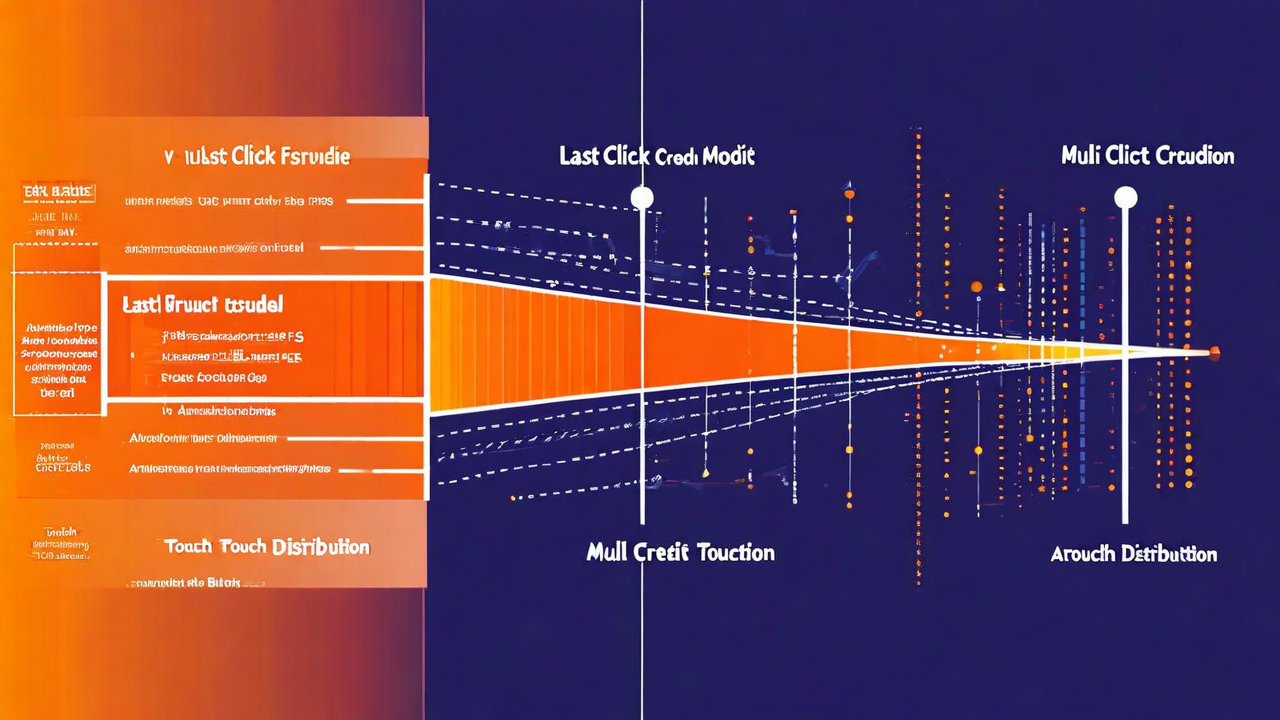
Last-click gives 100% of conversion credit to the final touchpoint before a user converts. Someone clicks a retargeting ad and buys? Retargeting gets all the credit. Doesn't matter that they first found you through a LinkedIn thought-leadership post, then read three blog articles, then watched a webinar, then searched your brand name, then saw the retargeting ad.
The retargeting ad gets everything. Everything else gets nothing.
This creates a systematic distortion in your data. Channels that appear late in the buyer journey look incredible. Channels that do the actual awareness and consideration work look like they're underperforming.
How the Distortion Compounds Over Time
Here's what happens in practice. Your Q1 budget review shows retargeting at a 6.2x ROAS and LinkedIn campaigns at 1.1x. Finance wants to cut LinkedIn and double retargeting spend. Sounds logical.
You do it. Q2 comes. Your retargeting ROAS drops to 3.8x. You're confused. The retargeting campaigns didn't change. What happened?
You starved the top of your funnel. Retargeting can only work on people who already know you. When you cut LinkedIn, you reduced the number of qualified prospects entering the funnel. Less input, less output. The retargeting campaigns were running fine - you just gave them less raw material to work with.
This cycle plays out at companies all the time. Cut awareness spend, retargeting drops, panic, restore awareness spend, metrics stabilize. Nobody figures out the root cause because the attribution model can't show the causal chain.
The Numbers That Expose the Problem
Run this test on your own data. Take your top 20 converting customers from last quarter. Pull the full touchpoint history for each one - not just the last touch. Count how many total touchpoints were involved before the final conversion.
In B2B SaaS, that number is usually between 8 and 14 touchpoints across a 45-90 day window. In e-commerce with higher-consideration purchases, you'll often see 5-8 touchpoints over 7-21 days.
Then ask: if 12 touchpoints contributed to this deal, and last-click gives 100% of the credit to one of them, what does that do to your ROAS calculations for the other 11?
It zeroes them out. You're not just misattributing credit. You're making the channels that did real work invisible in your reporting.
Three Places Last-Click Hurts Most
Not every channel gets hurt equally. The biggest distortions happen in:
- Content and SEO: organic search, blog posts, and educational content do top-of-funnel work that last-click almost never captures. These channels look worthless in last-click reports. They're often what started the whole journey.
- LinkedIn and display advertising: impression-based and intent-building channels rarely end up as the last click. They prime buyers. Last-click can't see that.
- Email nurture sequences: a 6-email sequence that moves someone from cold lead to sales-qualified gets zero credit if they clicked a search ad to book the demo. The sequence did the work. Search gets the credit.
What to Do About It
You don't have to blow up your entire measurement setup. Start with two things.
First, run last-click alongside a linear or time-decay model for 60 days. Compare the ROAS numbers side by side. The delta between models will show you exactly where your last-click numbers are lying. In most cases, you'll see retargeting and branded search drop significantly, while content, LinkedIn, and email nurture pick up credit they weren't getting.
Second, look at the path-to-conversion data for your top deals. Not averages - actual individual paths. You'll start seeing patterns: which channels appear consistently in the early stages, which ones tend to close, and which ones seem important but only in combination with others.
That's the beginning of an attribution model that reflects how your buyers actually make decisions - not just what they clicked last.
The best attribution model isn't the most complex one. It's the one that accurately reflects what's actually driving your conversions so you can make better budget decisions.
Last-click has been the default for a long time because it's simple and it's what every ad platform reports natively. But simple and correct are different things. When your Q3 budget decisions are based on Q2 last-click data, you're not optimizing. You're guessing with extra steps.
The marketers getting real leverage from their budgets right now are the ones who've stopped letting ad platforms define what "working" means. They're measuring the full journey, crediting the full journey, and budgeting based on what they find.
Your budget deserves better than a single click.
See what your funnel actually looks like
Run a free attribution audit on your last 90 days of data. No commitment, no sales pitch.
Start Free Trial